Water mitigation focuses on limiting further damage after a water event. Through controlled extraction, drying, and documentation, mitigation helps stabilize affected areas before full restoration begins.
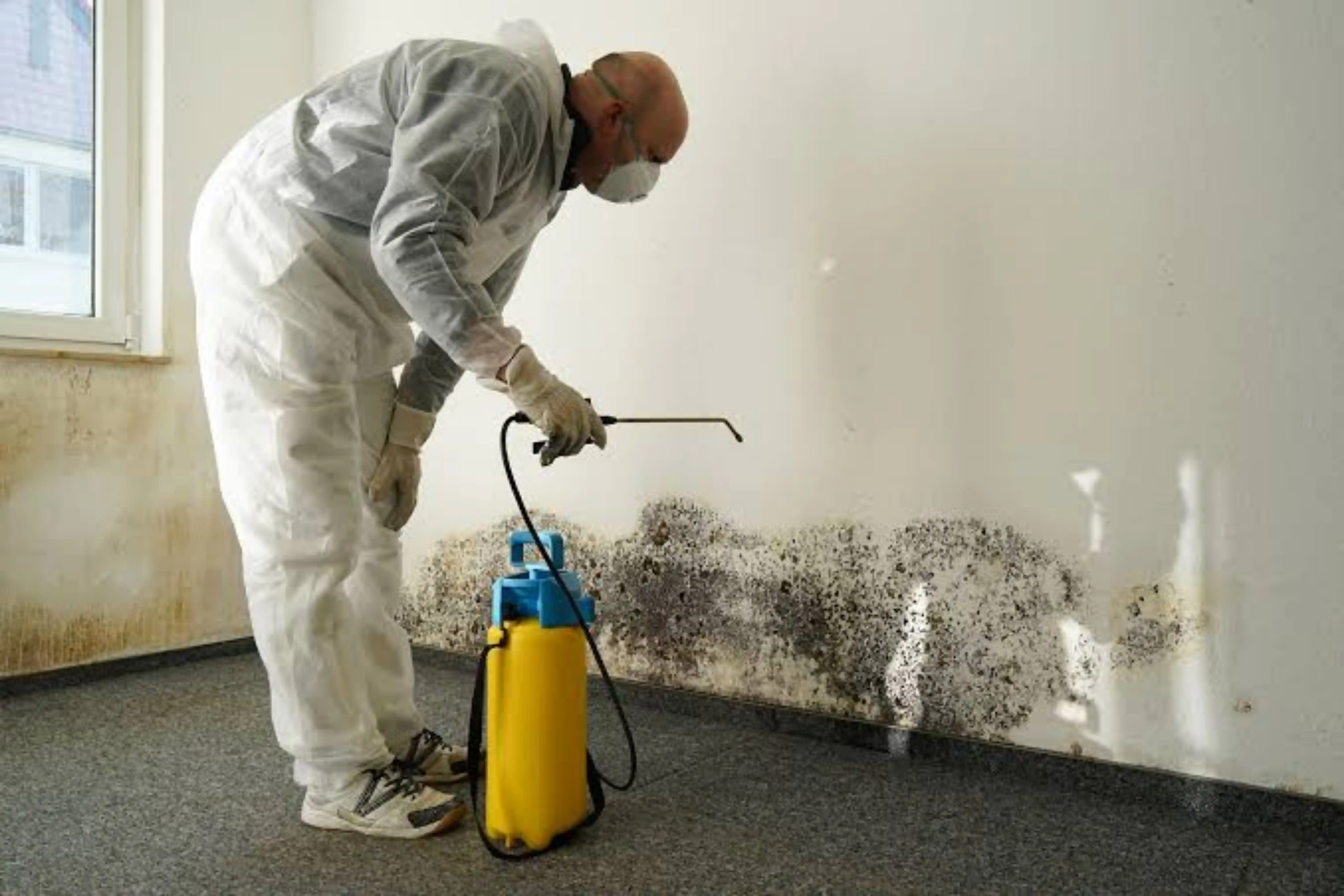
Water mitigation is the process of limiting the extent and severity of water damage. While restoration refers to returning a property to its pre-loss condition, mitigation specifically addresses the steps taken to stop ongoing damage and stabilize affected areas.
When water enters a building — whether from plumbing failures, appliance leaks, or weather events — it continues to spread and absorb into materials over time. Mitigation aims to interrupt that process through water removal, controlled drying, and protection of unaffected areas.
Understanding the distinction between mitigation and restoration helps set appropriate expectations. Mitigation handles the immediate damage limitation — extraction, drying, and documentation. Restoration addresses the rebuilding and repair — replacing drywall, reinstalling flooring, painting, and other construction work needed after the drying process is complete.
Prompt mitigation can reduce the total scope of a water loss. Materials that are addressed quickly may dry successfully, potentially avoiding replacement. Delayed response allows water to migrate further into wall cavities, subfloor assemblies, and adjacent rooms — increasing both the affected area and the eventual restoration costs.
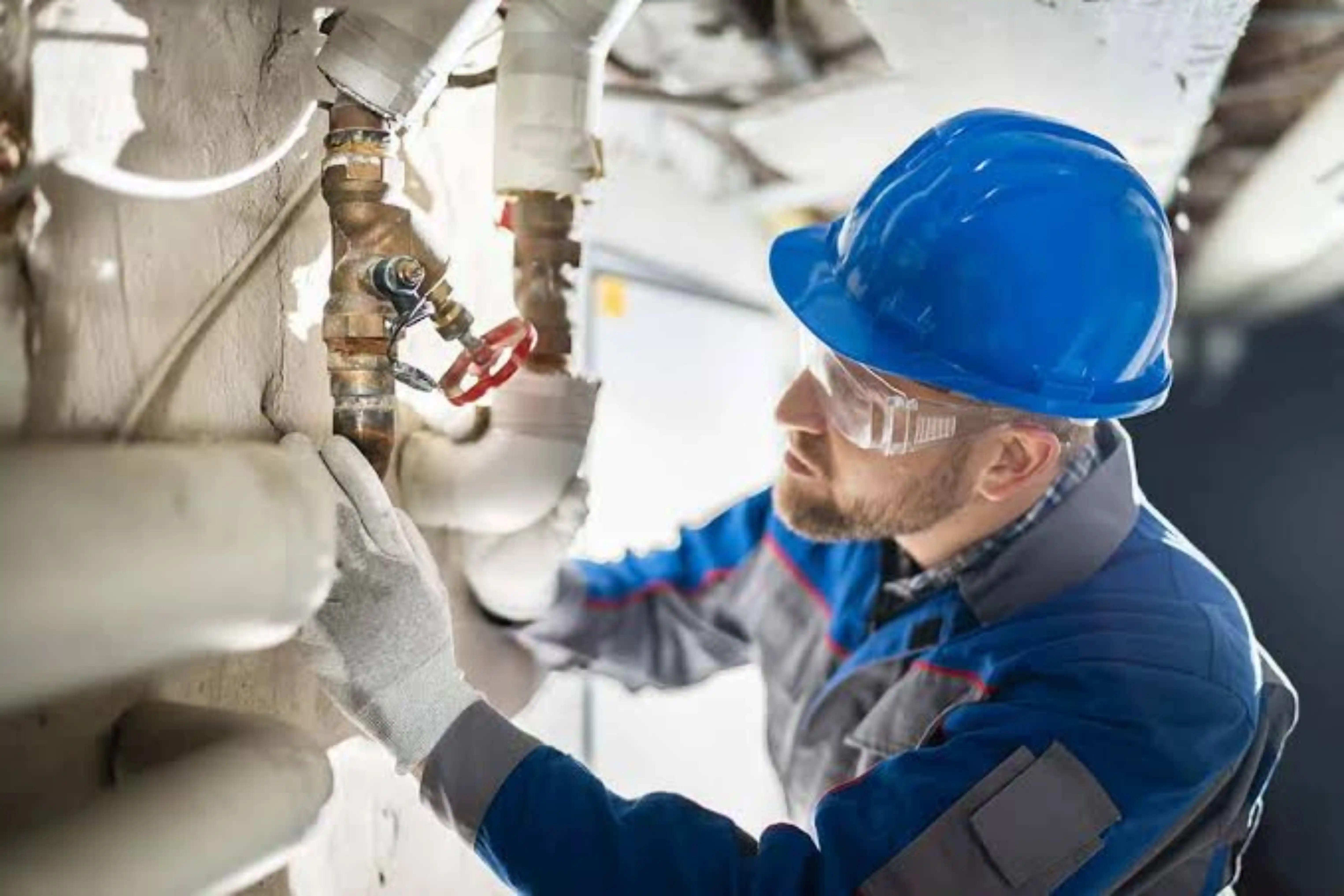
Many insurance policies include provisions for mitigation measures taken to prevent further damage. Proper documentation during mitigation — including moisture readings, photographs, and scope descriptions — supports the claims process and helps demonstrate what was done and why.
Removing standing water from affected areas using commercial extraction equipment to reduce the total moisture load.
Placing air movers and dehumidifiers to dry wet materials in a controlled manner, with targets based on material type and conditions.
Recording moisture readings, affected materials, photographs, and scope details to support insurance claims and restoration planning.
When necessary, creating barriers to prevent water from spreading to unaffected areas of the building during extraction and drying.
Assessing which materials can be dried in place and which may need removal based on material type, contamination, and moisture exposure duration.
Tracking moisture levels in affected materials during drying to verify progress and determine when drying targets have been reached.
Inspect the affected areas, identify the water source, measure moisture levels in materials, and determine the scope of mitigation needed.
Extract standing water from floors, carpets, and other surfaces. Address trapped water in carpet padding and low-lying areas.
Position air movers and dehumidifiers based on affected materials and room configuration. Monitor moisture levels to track drying progress.
Evaluate wet materials — drywall, insulation, flooring, cabinets — to determine which can be dried in place and which may need removal.
Complete documentation including moisture logs, photographs, and scope details. Provide information needed for insurance and restoration planning.
If water has affected your property, contact us to discuss your situation and arrange for mitigation services to help limit further damage.