Glendale, CA • Water Damage Restoration Specialists
Home › Services › Structural Drying
Glendale, California — Structural Drying

Structural Drying Services in Glendale, CA

Professional structural drying for water-damaged buildings in Glendale. Targeted dehumidification and air movement to dry wet drywall, flooring, insulation, and other building materials with ongoing moisture monitoring.
Glendale
California
Structural
Drying & Monitoring
Residential
& Commercial
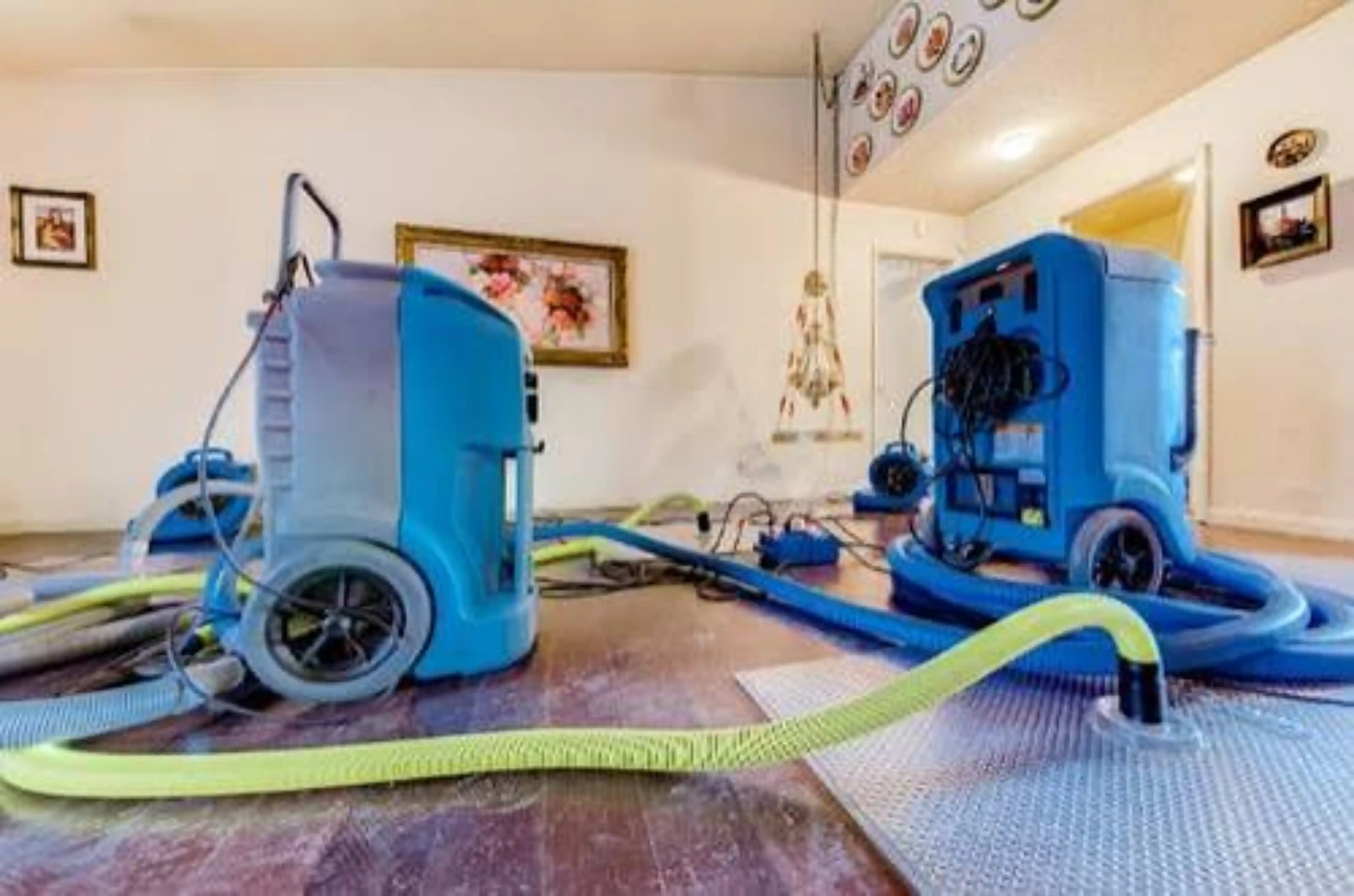
Industrial structural drying setup with commercial dehumidifiers and high-velocity air movers on wet hardwood flooring in Glendale

What Is Structural Drying?

Structural drying is the process of removing moisture from building materials after water extraction. While water extraction removes visible standing water, significant moisture often remains absorbed in drywall, wood framing, insulation, subfloor materials, concrete, and other building components.

Professional structural drying uses a combination of air movers, commercial dehumidifiers, and sometimes specialty equipment to create conditions that draw moisture out of wet materials. The process is monitored through regular moisture readings to track progress and determine when drying targets have been reached.

Why Professional Drying Matters

Simply removing visible water and allowing materials to air dry is often insufficient. Building assemblies — wall cavities, flooring systems, ceiling spaces — trap moisture in areas with limited airflow. Without controlled drying, this trapped moisture can lead to material degradation, warping, swelling, and conditions favorable to microbial growth.
Materials That Require Structural Drying

  • Drywall and plaster — absorb water rapidly and hold moisture
  • Wood framing and structural members
  • Subfloor materials (plywood, OSB, concrete)
  • Insulation within wall cavities
  • Hardwood, laminate, and engineered flooring
  • Cabinet bases, toe kicks, and built-in fixtures
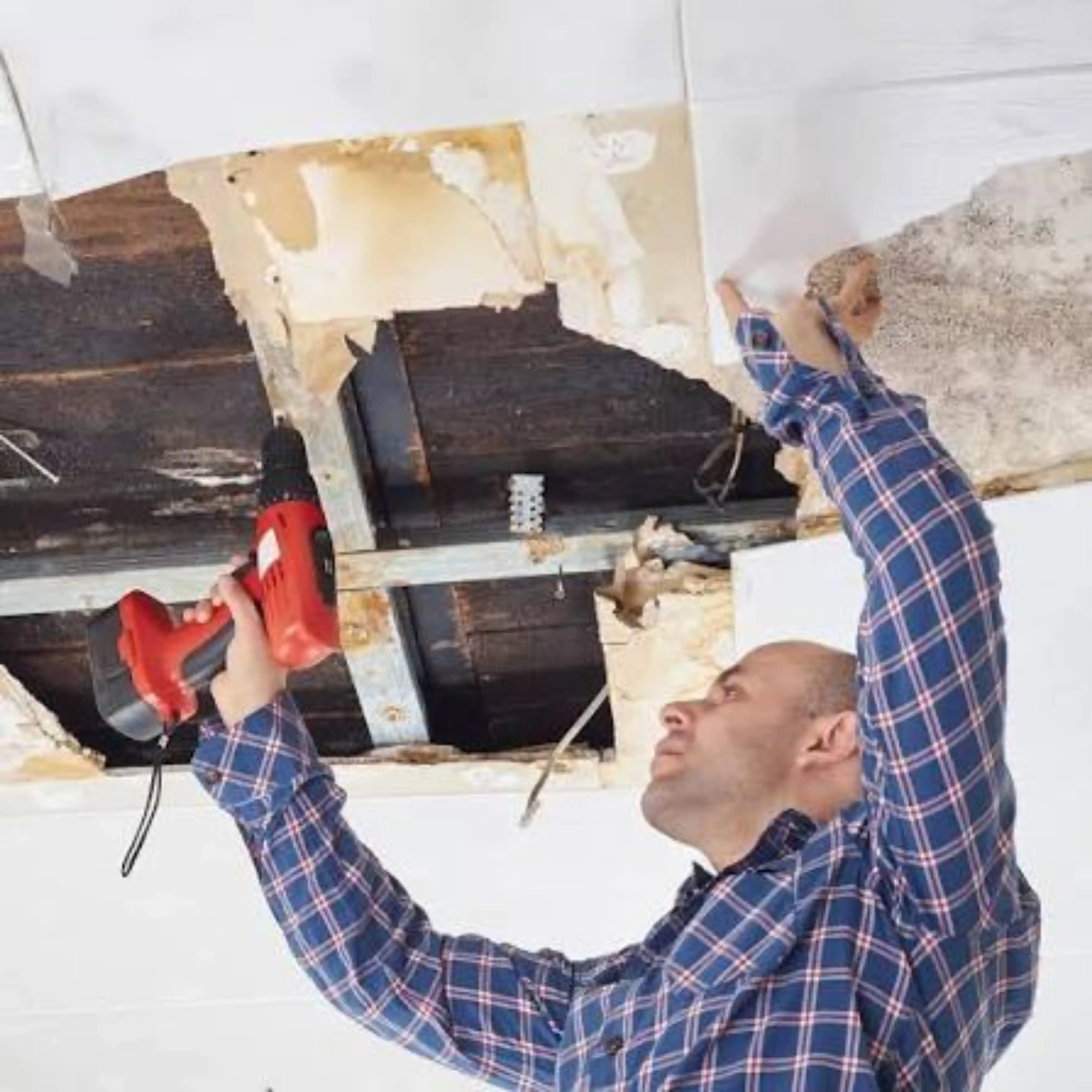
Restoration specialist drying and assessing water damaged ceiling cavity and framing joists in Glendale residence
Controlled structural drying and moisture monitoring of overhead joists and ceiling drywall cavities prevents rot, sagging, and mold growth.

Structural Drying Process

1

Initial Moisture Assessment

Moisture meters measure the moisture content of affected building materials. Baseline readings establish the starting point and help determine appropriate drying targets.

2

Equipment Placement

Air movers are positioned to create airflow across wet surfaces. Commercial dehumidifiers remove moisture from the air as it evaporates from materials. Equipment placement is based on the materials involved and room configuration.

3

Daily Monitoring

Technicians take moisture readings at regular intervals — typically daily — to track drying progress. Readings are documented and equipment may be adjusted based on results.

4

Drying Verification

When moisture readings reach established drying targets, equipment is removed. Final readings confirm that materials have dried to acceptable levels.

5

Documentation

A drying log documents initial readings, daily progress, equipment used, and final verification readings. This documentation supports insurance claims and restoration planning.

Structural Drying FAQ

Drying time varies based on the materials involved, saturation level, environmental conditions, and building configuration. Typical drying takes 3–5 days, but some situations may require longer. Your provider should give estimates based on your specific conditions.
Air movers and dehumidifiers do produce noise. The level depends on the number of units and their placement. Your provider should discuss equipment needs and any accommodations that may help, especially for occupied spaces.
In many cases, occupants can remain in the home during drying, especially if the affected area is limited. However, equipment noise, restricted access to certain rooms, and the extent of damage may make temporary relocation more practical in some situations.
Drying is determined by moisture readings, not appearance. Materials can appear dry while still holding moisture. Readings are compared against established drying standards for each material type, and equipment is removed only when targets are met.
If a material does not reach drying targets despite appropriate drying conditions, it may need to be removed and replaced. This is determined through monitoring and documented in the drying log for insurance purposes.
Running drying equipment continuously does use electricity. The impact depends on the number and type of units. Many insurance policies cover these costs as part of the mitigation claim — ask your insurer about their policy on utility reimbursement.

Related Water Damage Services

Need Structural Drying in Glendale?

If your property has wet building materials from a water event, contact us to arrange for professional structural drying with moisture monitoring.
Call NowRequest Help