Comprehensive water damage restoration for Glendale homes and businesses. From initial assessment through drying, cleaning, and repair planning — a structured process designed to address the full scope of water damage to your property.
Water damage restoration is the process of inspecting, cleaning, drying, and repairing a property after it has been affected by water. Whether from a plumbing failure, appliance leak, bathroom overflow, roof leak, or storm-related intrusion, the goal is to return affected areas to an appropriate, usable condition.
The process typically begins with a thorough assessment. Not all water damage is immediately visible — moisture can travel through drywall, flooring, wall cavities, and ceiling spaces before becoming apparent. A proper assessment helps define the scope of work, determine which materials are affected, and identify the most appropriate approach.
In Glendale, water damage can occur in single-family homes, apartments, condominiums, multi-story buildings, and commercial properties. The restoration approach depends on the water source, contamination level, building materials involved, and the duration of exposure.
Water damage comes from many sources. Some are sudden and obvious; others develop slowly before becoming visible.
Supply line failures, broken pipes, and slow leaks behind walls can saturate drywall, flooring, and structural materials. The visible damage may appear far from the actual source.
Water heater tank ruptures, washing machine hose breaks, and dishwasher overflows can release significant amounts of water into kitchens, laundry areas, and adjacent rooms.
Overflowing toilets, tubs, and sinks can damage flooring, baseboards, and — in multi-story buildings — the ceiling and walls of lower units.
Rainfall entering through damaged roofing, windows, or exterior openings can affect ceilings, insulation, wall cavities, and flooring. Water may travel before it becomes visible indoors.
Not all water damage is obvious. Slow leaks inside wall cavities, under flooring, or above ceilings can cause progressive damage. Stains, warping, and odors may be the first signs of a deeper problem.
A water stain on a ceiling or wall indicates that water has already traveled through building materials. The visible spot may not mark the original source — it may come from an upstairs leak, a plumbing issue, or roof damage.
Restoration follows a structured approach, adapted to the conditions found during the initial assessment. Not every step applies to every project — the scope depends on the water source, contamination, and materials involved.
The process starts with an in-person inspection. Affected areas are identified, moisture readings are taken, and the water source is evaluated. This assessment helps define the scope and determine what work is needed.
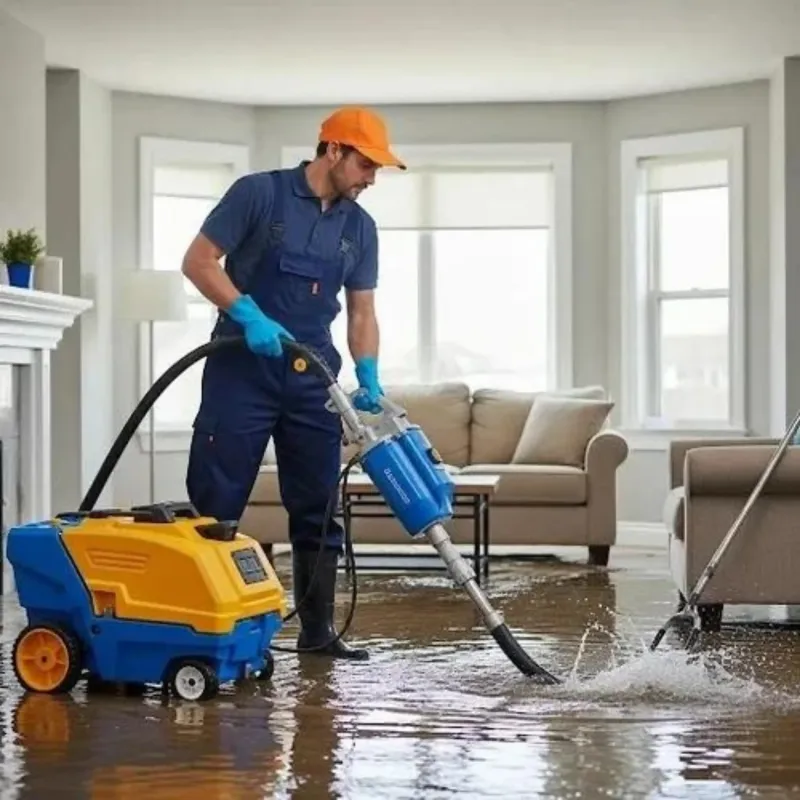
Standing water is removed using extraction equipment. This is often the most time-sensitive step — the longer water remains on building materials, the more extensive the damage can become.
Moisture meters and inspection tools are used to identify wet materials beyond the visible water line. Water can migrate into walls, subfloor materials, cabinets, and ceiling cavities that appear dry on the surface.
Air movers and dehumidifiers are placed based on the materials affected and room configuration. Moisture levels are monitored and equipment is adjusted as drying progresses. Learn more about structural drying in Glendale.
Some materials — such as saturated carpet padding, heavily soaked drywall, or contaminated insulation — may need to be removed. Other materials can dry in place with proper equipment. The decision depends on the material type, exposure time, and contamination level.
Conditions, equipment placement, moisture readings, and completed work are documented. A restoration plan is developed for any needed repairs, which may include drywall replacement, flooring work, painting, or other reconstruction tasks.
These terms are related but describe different phases of the recovery process.
Water mitigation focuses on limiting further damage. It includes stopping or controlling the water source, extracting water, and beginning to dry affected areas. Learn more about water mitigation.
Water damage restoration is the broader process of returning affected areas to an appropriate condition. It includes everything in mitigation plus thorough drying, cleaning, material evaluation, and coordination of repairs.
Reconstruction refers to rebuilding or repairing structural components — drywall, flooring, paint, cabinets, and other building materials that could not be dried or cleaned effectively.
Not every water damage incident requires all three phases. A small contained leak may only need extraction and drying. Extensive damage from a burst pipe in a multi-story Glendale building may involve all three. The appropriate approach depends on what the assessment reveals.
Glendale properties include single-family homes, apartment complexes, condominiums, and commercial buildings. Each presents different restoration considerations.
In multi-story apartments and condos, water from an upper-floor leak can migrate through ceilings and walls into lower units. Plumbing systems shared between units can affect multiple properties when a failure occurs. In these situations, timely extraction and moisture assessment help prevent the damage from expanding.
Older Glendale homes may have aging plumbing systems, water heaters approaching the end of their lifespan, and building materials that respond differently to water exposure. Newer construction may use materials with different drying characteristics. The restoration approach is adapted to the actual building conditions.
Heavy rainfall in the Glendale area can also expose existing vulnerabilities — water entering through roof defects, exterior gaps, or overwhelmed drainage. For storm-related situations, storm and leak-related water damage cleanup may be appropriate.
The cost of water damage restoration depends on several factors specific to each situation:
Many homeowners insurance policies cover water damage from sudden, accidental events such as a burst pipe or appliance failure. Coverage varies by policy, and certain causes — such as deferred maintenance or gradual leaks — may be excluded. Contact your insurer early, document the damage when safe, and ask what documentation they require before work begins.
A clear, itemized estimate helps you understand what is proposed before authorizing work. Ask about the scope, timeline, and what is included or excluded.
If your property has been affected by water damage, contact us to discuss the situation and arrange for an assessment. We can help you understand the scope and determine the most appropriate next steps.