Glendale, CA • Water Damage Restoration Specialists
Home › Services › Sewage Cleanup
Glendale, California — Sewage Cleanup

Sewage Cleanup Services in Glendale, CA

Professional sewage cleanup for Glendale properties. Safe removal of contaminated water, disinfection of affected areas, material removal, and restoration after sewage backups and drain overflows.
Glendale
California
Sewage
Cleanup & Disinfection
Residential
& Commercial
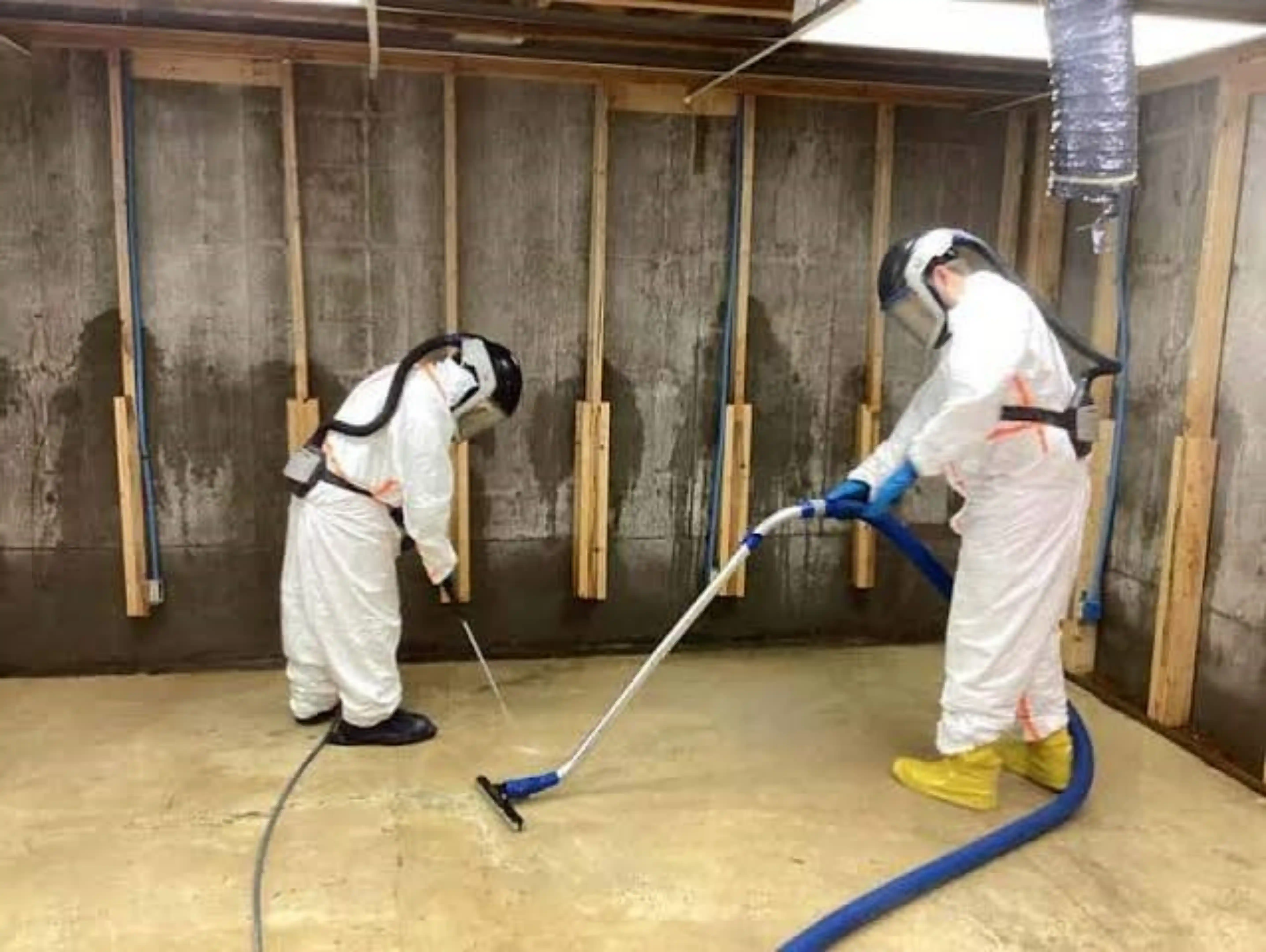
Hazardous cleanup technicians in PAPR respirators and protective suits extracting contaminated sewage wastewater

What Is Sewage Cleanup?

Sewage cleanup addresses water damage situations involving contaminated water — typically classified as Category 3 (grossly contaminated) water. This includes sewage backups from main sewer lines, toilet overflows involving waste, and any water that has been in contact with sewage or biological contaminants.

Sewage cleanup requires different protocols than clean water damage. Materials that have contacted contaminated water may not be salvageable even if they could be dried, because the contamination risk remains. The cleanup process includes safe removal of contaminated water and materials, thorough disinfection of remaining surfaces, and structural drying.

Health and Safety Considerations

Sewage water contains bacteria, viruses, and other pathogens that present health risks. Occupants should avoid direct contact with sewage-affected areas and materials. Professional cleanup uses appropriate personal protective equipment and follows protocols designed to address the contamination safely.
Common Causes of Sewage Backups in Glendale

  • Main sewer line blockages from tree roots, debris, or pipe deterioration
  • Municipal sewer system surcharges during heavy rainfall
  • Toilet overflows involving waste material
  • Broken or collapsed sewer lines beneath the property
  • Septic system failures (in areas with septic systems)
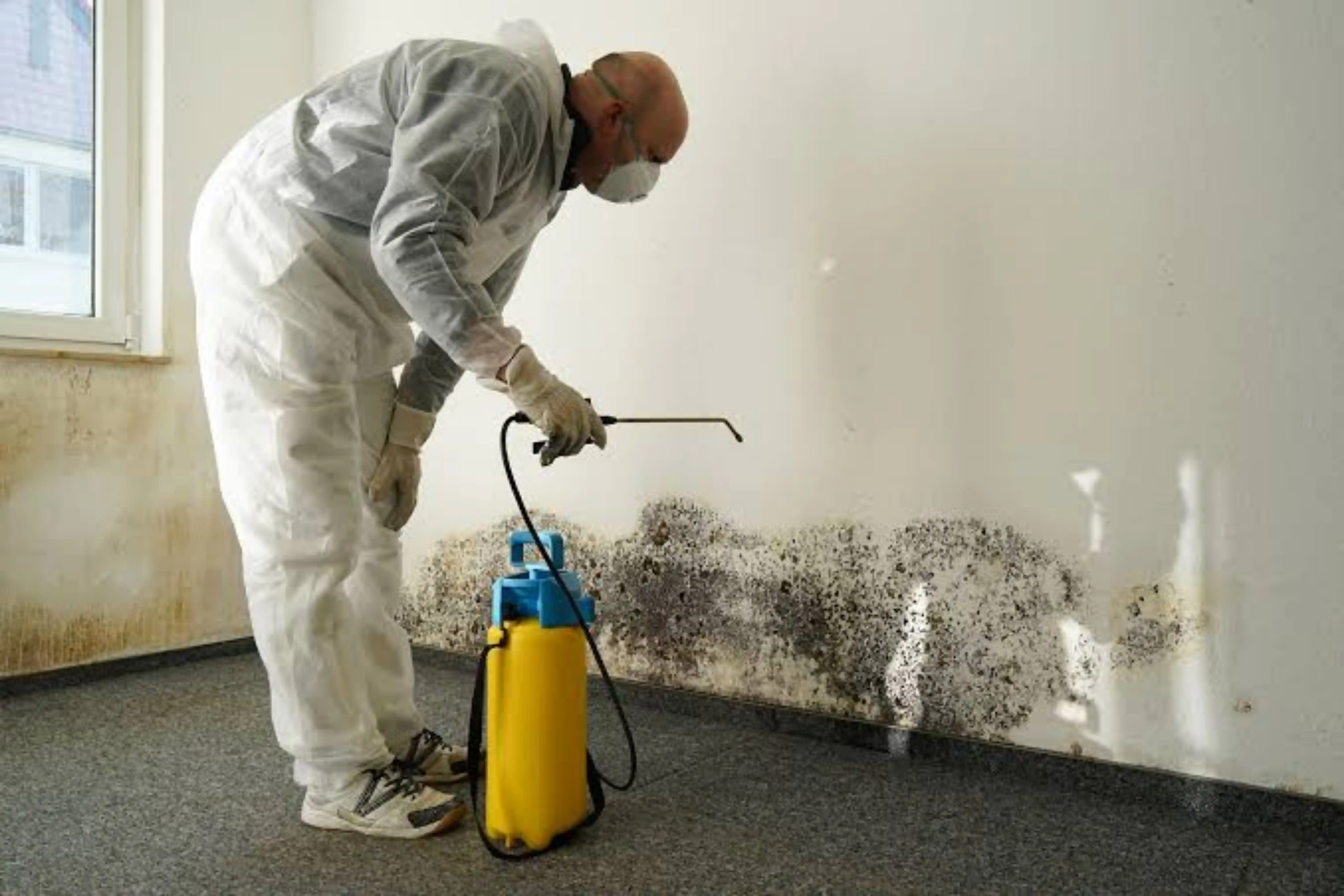
Restoration specialist applying antimicrobial disinfectant spray along baseboard framing after biohazard sewage water extraction in Glendale
Sanitizing and applying broad-spectrum antimicrobial treatments to structural surfaces following contaminated blackwater removal.

Sewage Cleanup Process

1

Safety Assessment and Containment

Evaluate the affected area, identify safety hazards, and establish containment to prevent cross-contamination of unaffected areas. Personal protective equipment is used throughout the process.

2

Contaminated Water Removal

Extract sewage water using equipment designed for contaminated water handling. This includes water from floors, carpets, and any areas where sewage has accumulated.

3

Contaminated Material Removal

Porous materials that contacted sewage — carpet, padding, drywall (typically the lower section), insulation, and similar materials — are removed and disposed of properly.

4

Cleaning and Disinfection

Remaining hard surfaces and structural materials are cleaned and treated with appropriate antimicrobial solutions. The goal is to remove contaminants from surfaces that will remain in place.

5

Structural Drying and Documentation

Drying equipment is placed to dry remaining structural materials. Conditions are documented for insurance and restoration planning purposes.

Sewage Cleanup FAQ

Yes. Sewage is classified as Category 3 (grossly contaminated) water. This means more materials typically need removal rather than drying, disinfection protocols are required, and different safety precautions apply throughout the process.
Generally, carpet and carpet padding that have been in contact with sewage are removed and replaced. The contamination risk makes cleaning and reuse impractical in most cases, and industry standards typically call for removal of porous materials exposed to Category 3 water.
It depends on the extent of the backup. If the affected area is limited and can be contained, occupants may be able to stay in unaffected areas. However, for extensive backups, temporary relocation may be recommended until cleanup and disinfection are complete.
Coverage for sewage backups varies by policy. Some homeowner policies include sewer backup coverage, while others require a separate endorsement. Check your policy or contact your insurance agent to understand your specific coverage.
Avoid contact with the contaminated water. Do not use plumbing fixtures if the backup is from the main sewer line. Keep children and pets away from affected areas. Photograph the damage for insurance purposes and contact a cleanup provider and your insurance company.
The initial cleanup — extraction, material removal, and disinfection — may take one to two days depending on the scope. Structural drying following the cleanup typically requires an additional 3–5 days. Total timeline depends on the extent of the backup and materials involved.

Related Water Damage Services

Need Sewage Cleanup in Glendale?

Sewage backups require prompt, professional cleanup. Contact us to discuss your situation and arrange for safe contaminated water removal and disinfection.
Call NowRequest Help